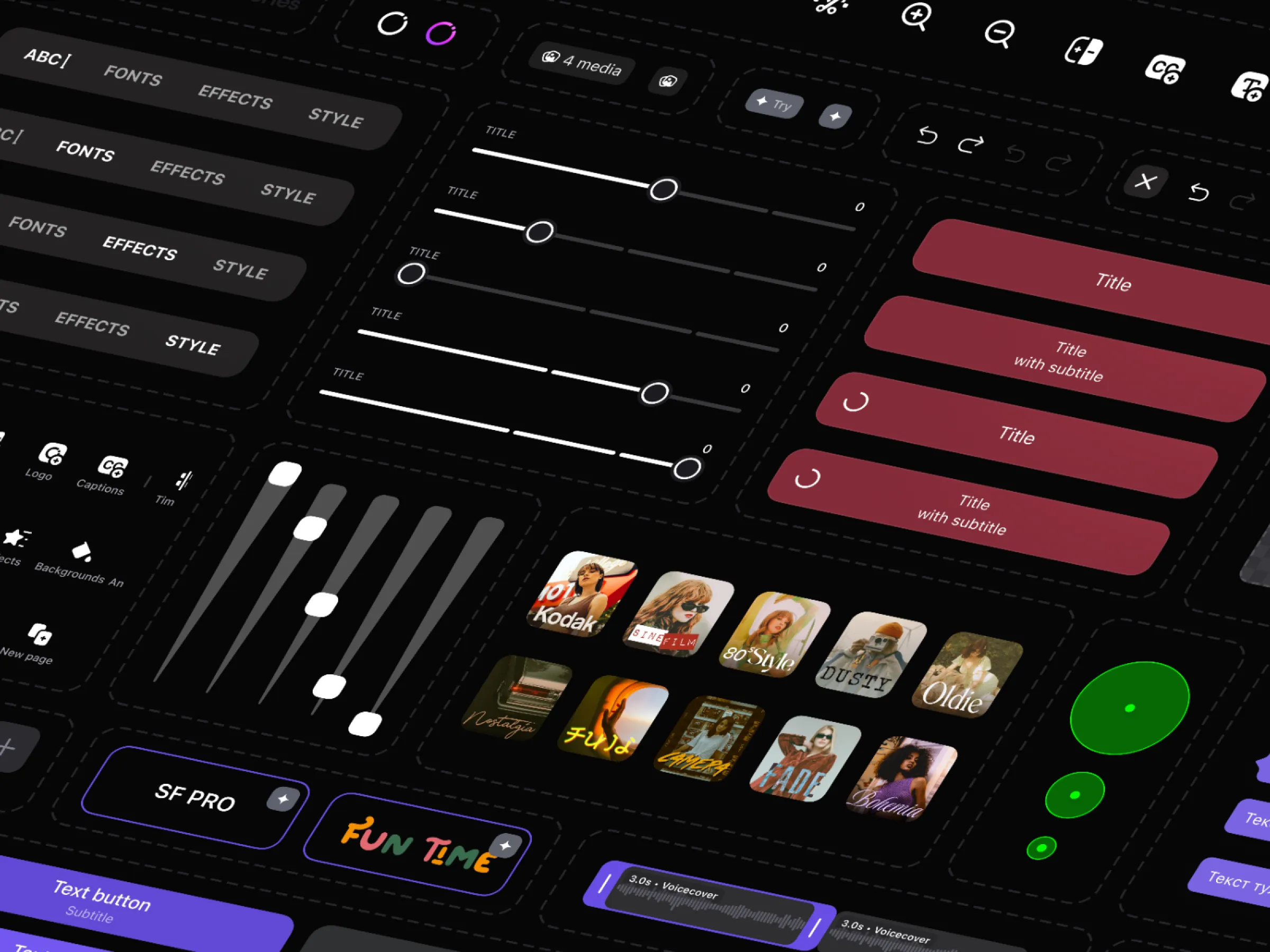

I design digital products that are meant to be lived with, not just glanced at in a case study. Over the last year, I have watched teams care less about how a brand looks on a single hero screen and more about how it feels over time as people actually use the thing.
If you ask someone to draw their favorite brand from memory, they might sketch a logo or a color. If you ask them why they love that brand, they almost never talk about visuals first. They talk about how it makes them feel. Safe. Energized. Understood. Less alone. That gap between what brand guidelines obsess over and what people actually remember is where a lot of design opportunity sits in 2026.
We are surrounded by products that look “on brand” and still feel cold. The type is correct. The logo is sized just right. The color palette is perfectly applied. Yet the overall experience leaves nothing behind once you close the tab. A felt brand does the opposite. It lingers a little, even when you are not looking at it, because it has shaped your mood, your confidence, or your sense of control in some small way.
Brand lives in the in‑between moments
Most brand work still focuses on peak moments, the hero section, the campaign visual, the big launch video. Real users spend most of their time in the in‑between: loading, searching, correcting mistakes, waiting for something to sync.
Those are the places where a brand becomes tangible.
A loading state that acknowledges your impatience instead of pretending nothing is happening.
An error message that talks to you like a human, without blame or jargon.
An empty state that gives you one clear next step instead of a wall of options.
Visually, these screens might be simple. Emotionally, they carry more weight than any billboard. Designing brands that are felt means treating these “boring” states as prime real estate, not leftovers.
Tone is as important as typography
We spend so much time debating fonts and so little time debating voice. Yet the difference between “Submit” and “Send it” can be the difference between a product that feels stiff and one that feels like a partner.
A felt brand:
Uses language that matches the user’s emotional state, not just the task
Knows when to be quiet instead of clever
Adapts tone slightly across contexts without losing its core character
If your product is helping someone through taxes, health, or money stress, relentless cheerfulness can feel fake. If your product is about creativity or play, overly formal language can suck the air out of the room. Brand is not just what you say but how it lands when someone is already under pressure.
Pacing, rhythm, and breathing room
Feel is not only about what is on the screen, but when and how it appears.
The way animations ease in, how quickly feedback appears after an action, how many steps you ask someone to take before they see progress, all of that contributes to the emotional signature of your brand.
A “fast and sharp” brand might use snappy transitions and instant feedback.
A “calm and grounding” brand might lean into gentle motion and deliberate pauses.
Neither is inherently better. What matters is that the pacing matches the promise you make. If your marketing claims to reduce stress but your product bombards people with pop‑ups, notifications, and flashing banners, the disconnect is loud.
Multi‑sensory brands in everyday products
We are slowly moving past the idea that brand is something you can screenshot. Sound, haptics, and motion are becoming part of the toolkit even in everyday tools.
Think about:
A subtle sound that signals success without drawing attention to itself
A gentle vibration that confirms an action when the screen is not in full view
A small animation that guides the eye instead of showing a separate tooltip
These touches should never become gimmicks. When they are aligned with the product’s purpose, they become part of the felt identity. When they are added just to show off, they become noise.
Designing for bad days, not just good ones
A strong brand holds up when life is not going smoothly.
Someone uses your app while half‑asleep, commuting, worried about a deadline, or juggling kids. On those days, tiny choices carry huge emotional weight: how forgiving your forms are, how easy it is to undo a mistake, how clear your most important actions are.
If your brand only feels good when the user is calm and focused, it is not robust. Designing brands that are felt means testing flows under realistic conditions:
How does this experience feel at the end of a long day?
What happens when the network is slow or patchy?
Can someone recover quickly if they tap the wrong thing?
You are not just designing for ideal users on ideal days. You are designing for tired, distracted people who still deserve to feel respected.
Measuring what people feel
Emotional impact sounds fuzzy, but you can get closer to it than you might think.
You can:
Ask users to describe the product in three adjectives after a session
Watch where their shoulders relax or tense up in a usability test
Track whether key flows reduce hesitation over time as people gain trust
These signals tell you more about brand health than another slide of “logo usage examples” ever will. If the adjectives you hear match the traits you were aiming for, your brand is landing. If they do not, you know where to adjust.
Bringing brand and product closer together
None of this works if brand and product sit in different corners of the company.
When brand lives in marketing and product lives in the app, you get a split personality: big promises outside, disconnected experience inside. The teams that are getting this right in 2026 bring brand designers into product work early and bring product designers into brand conversations often.
Brand defines not just visuals, but the feelings the product should consistently evoke.
Product translates those feelings into flows, microcopy, and interaction patterns.
The handoff is no longer “Here is the logo, good luck.” It is “Here is how we want people to feel before, during, and after they use this.”
A brand that is only seen is easy to clone and easy to forget. A brand that is felt is harder to describe, but also harder to replace.
When you design for that layer, you are not chasing perfection in static screens. You are shaping the texture of someone’s day, one small interaction at a time. That is the kind of brand work that sticks, even after the logo fades from view.